Different Number Plate Types
Prefix Number Plates
Search Prefix Number Plates
If you have a particular registration in mind, use this prefix registration style search to specify exactly what you want.
- play_arrowEnter the prefix letter and trailing number/s.
- play_arrowAdd three random letters.
- play_arrowHit search! Browse your results.
- HINT: Use just three characters to see more results.


How Do Prefix Number Plates Work?
Prefix number plates are one of the most popular types of private number plates that we here at New Reg deal in. Starting with a specific letter relating to the year of registration, this style of plate was introduced in the early 1980s, when the supply of suffix registrations - which end with a letter denoting the registration year - ran out.
In effect, car registrations started all over again on the 1st August 1983. Beginning with the letter A, prefix registration plates were issued every summer in the UK, and every plate started with a letter of the alphabet denoting the year of manufacture. Cars registered between 1st August 1983 and 1st August 1984 had number plates beginning with the prefix A, then from 1984 to 1985 B was used, then C for August 1985 to August 1986, and so on.
All letters of the alphabet were used in sequence, just as with the suffix style plates that were used previously, with the exception of the letters I, O, Q, U, Z. This is because those particular letters bore too much resemblance to certain numbers or other letters, specifically 1, 0, 0, V and 2. To avoid confusion, these letters were not used.
The final character used for car reg prefix plates was the letter Y, which took the UK up to August 2001. The prefix system was then superseded by the current style number plates issued by the DVLA today. For a full year-by-year breakdown of every prefix letter and what year it corresponds to — along with all other UK registration formats — see our car registration years guide.
Prefix plates begin with a letter as described above. This is then followed by two or three numbers, which are between 21 and 999. Numbers 1 to 20, for plates beginning with the letter A to H inclusive, were reserved for special issue, and are therefore rarer than those with numbers of 21 and above.
Once the letter J was reached, some additional numbers were also held back for select issue. As well as numbers 1 to 20, others including 30, 33, 40, 44, 111, 700, 777, 800 and 888 and the like were also reserved. Such numbers are available to buy when they come onto the market, and they are generally highly popular.
Following the prefix letter and numbers is a space, then these plates end with three letters. This makes them especially sought after as most people tend to have three initials, as well as the fact that there are some commonly used names and short words that consist of three letters.
The final two letters usually indicate where the vehicle was first registered. For example, BG denoted Liverpool or Birkenhead, while BA applied to Salford or Manchester. Many of these two-digit combinations were re-purposed for different areas in 1974.
There is a huge range of combinations available on prefix style plates, which explains why they are one of the most popular types of private registration that we offer for sale. Why not try our search function to see if we can match your chosen initials, word or name?
What is a prefix number plate?
A prefix number plate is the style of registration used for vehicles in the UK between 1983 and 2001. All such registrations begin with a letter of the alphabet indicating the year of registration. This was followed by up to three numbers, a space, then a combination of three letters.
Can you put a prefix number plate on any car?
It is not permissible to put any plate on a car that might make the vehicle appear newer than is actually the case, as this could be misleading to people buying a used car. Prefix number plates cannot therefore be used on older cars or vans that were first registered before 1st August 1983.
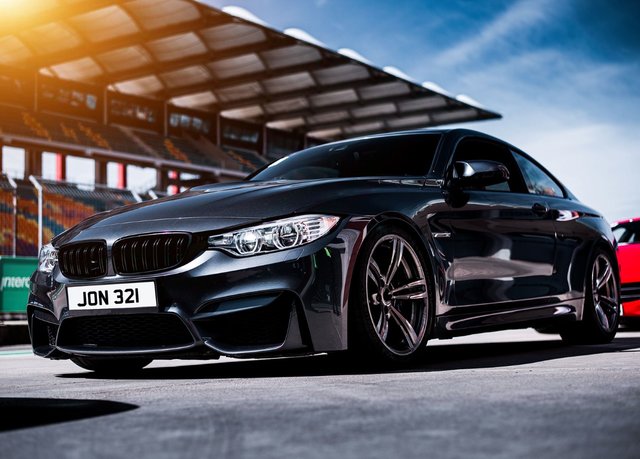
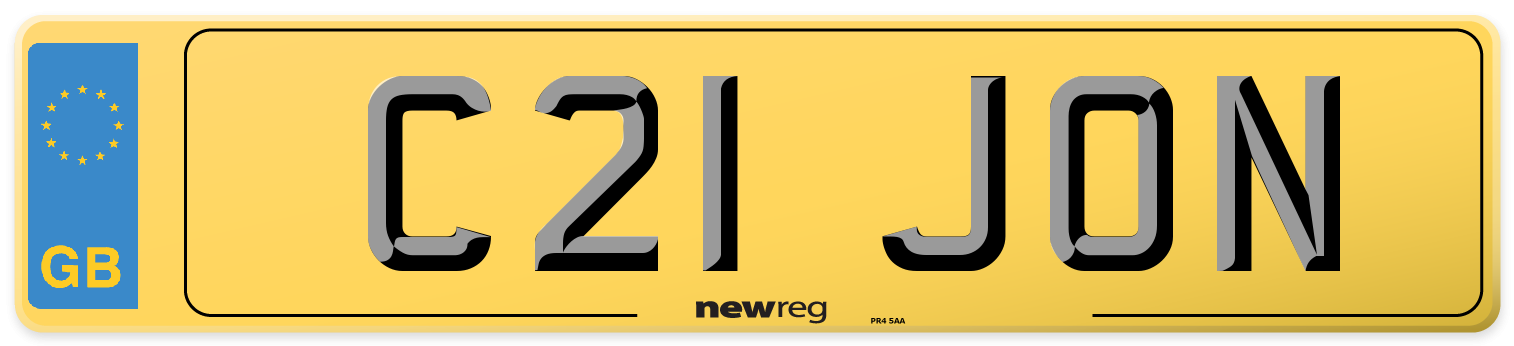
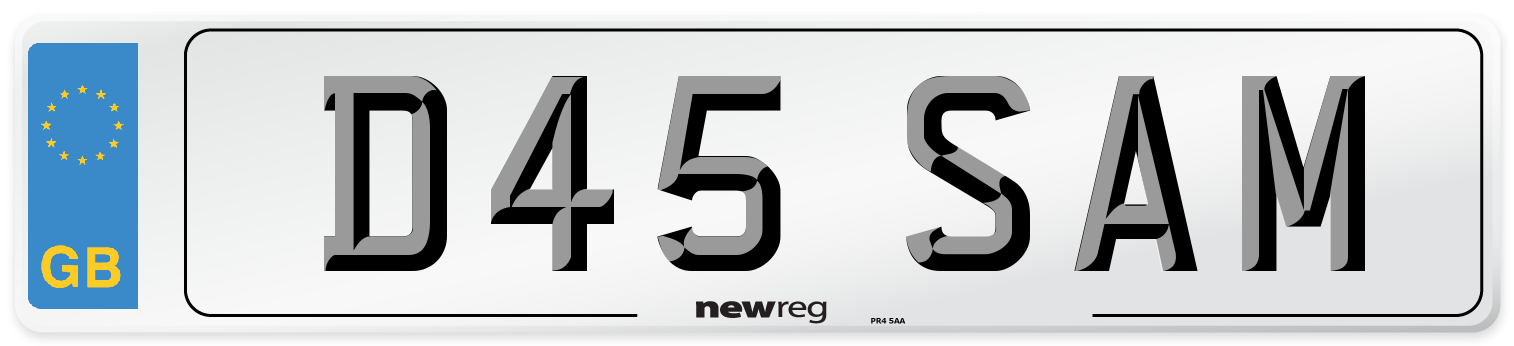
Prefix/Age Indicator | 1-3 Digit Code | 3 Letter Code
Prefix Number Plates — Common Questions
-
What is a prefix number plate?A prefix number plate is the style of registration used for vehicles in the UK between 1983 and 2001. All such registrations begin with a letter of the alphabet indicating the year of registration, followed by up to three numbers, a space, then a combination of three letters.
-
What years do prefix number plates cover?Prefix plates cover vehicles first registered between 1st August 1983 and 31st August 2001. The letter A was used from August 1983, running through the alphabet to Y in 2001, skipping I, O, Q, U and Z.
-
Can you put a prefix number plate on any car?No. It is not permissible to display a plate that makes a vehicle appear newer than it actually is. Prefix number plates cannot be used on vehicles first registered before 1st August 1983. They can however be placed on newer vehicles, as this would make the car appear older, not newer.
-
What do the three letters at the end of a prefix plate mean?The final two letters of the three-letter group typically indicate where the vehicle was first registered. For example, BG denoted Liverpool or Birkenhead, while BA applied to Salford or Manchester. Many of these two-letter area codes were reassigned to different regions in 1974.
-
Why are some prefix number plates rarer than others?Numbers 1 to 20 on plates beginning A to H were reserved for special issue, making them rarer and more valuable. From the letter J onwards, additional numbers such as 30, 33, 40, 44, 111, 700, 777, 800 and 888 were also held back for select issue.
-
Which letters were not used on prefix number plates?The letters I, O, Q, U and Z were not used as prefix letters because they could be confused with other characters — specifically 1, 0, 0, V and 2. The same exclusions applied to the suffix system that preceded prefix plates.
-
What replaced prefix number plates?The prefix system was replaced by the current two-letter, two-number, three-letter format in September 2001. This system is still in use today and issues two new registrations per year — in March and September.
-
Why are prefix plates popular as personalised registrations?Prefix plates end in three letters, making them ideal for displaying initials, short names or words. The three-letter combination at the end — such as JON, SAM or TOM — is the main reason buyers seek out this style of private plate.

